


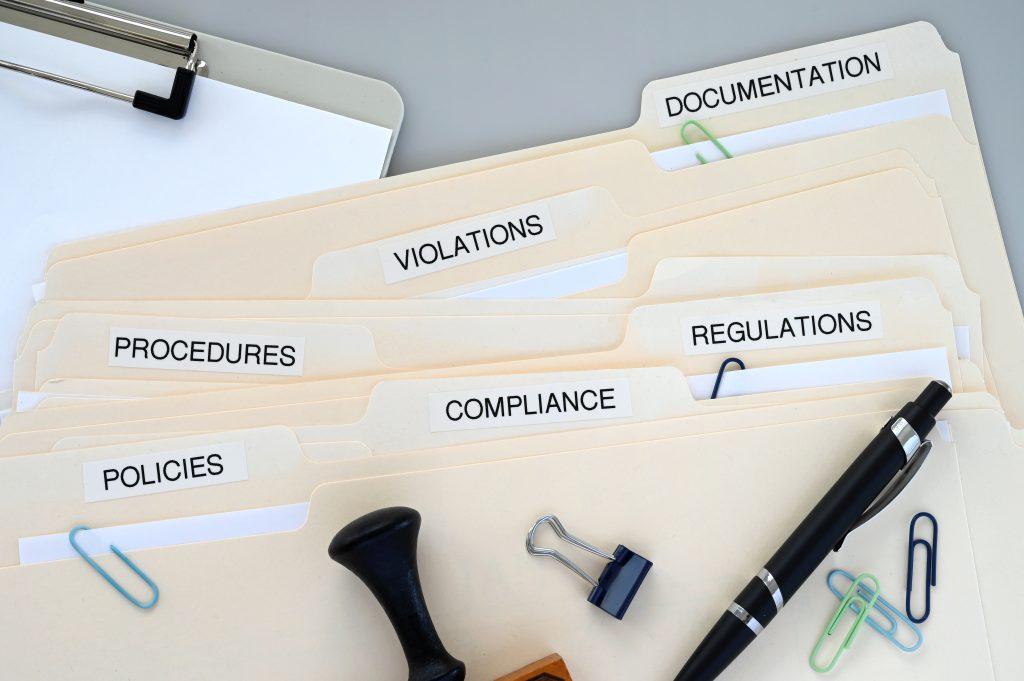
When you're preparing to sell your business, there’s a long checklist of items to address: pricing, marketing, buyer qualification, negotiations, and more. One often underestimated factor can cause even the most promising deal to fall apart. That factor is regulatory compliance.
In Florida, where state and local rules can vary significantly depending on your industry and location, getting your compliance house in order isn’t optional. Buyers will examine your business closely, and any unresolved legal, tax, or licensing issues can raise red flags or delay the sale process. If you're planning to sell, taking a proactive approach to compliance can protect your valuation, reduce buyer risk, and help ensure a smooth closing.
Why Compliance Is So Important to Buyers
Regulatory compliance refers to the obligation businesses have to follow all relevant laws and regulations. These range from tax filings and employment practices to licenses and zoning rules. When a business changes hands, the buyer assumes not just the assets but also any hidden liabilities. That makes compliance a major part of due diligence.
For example, if your business has misclassified contractors, unpaid sales taxes, or expired permits, those issues could result in fines or litigation down the road. A savvy buyer will dig deep to uncover these risks. If they find them, you may face price reductions, delays in closing, or even the loss of a deal entirely.
Florida’s Regulatory Landscape: What Sellers Need to Know
Florida business owners need to be especially careful about state and local compliance. Below are several key areas where issues often come up during a sale.
Licensing and Registration
Most businesses in Florida must be registered with the Division of Corporations via Sunbiz.org. It should go without saying, but it is imperative that your business license is in active status in Sunbiz.org. Buyers and their advisors often start their research there, and an inactive or lapsed registration can raise immediate concerns. In addition to your state-level filing, many industries require specific professional or operational licenses from the Florida Department of Business and Professional Regulation (DBPR). Restaurants, salons, contractors, real estate offices, and healthcare businesses are just a few examples. Make sure these licenses are valid, current, and, if necessary, transferable to a new owner.
Local Tax Receipts and Zoning
Many counties in Florida require a local business tax receipt (formerly known as an occupational license). These must be current and reflect the actual business activity and location. Some businesses also need to verify that their operations comply with local zoning rules, particularly if the sale includes property or if the buyer plans to expand.
Employment Law Compliance
Employee classification is one of the most common issues that arises during due diligence. Make sure your employees are properly classified as either W-2 workers or 1099 contractors, and that you’re compliant with wage and hour laws. Buyers will want to see employment agreements, time records, and documentation related to payroll taxes and benefits.
Tax Filing and Payment
In Florida, businesses must pay and file sales tax, unemployment tax, and, depending on entity structure, corporate income tax. Missing or inconsistent filings can create serious issues for buyers. Before listing your business, consult with your CPA to confirm that your tax records are up to date and properly filed with the state.
How to Get Ahead of Compliance Issues
The best time to handle compliance concerns is before you list your business. Start by conducting a full internal review of your operations, financials, and legal documents. Look for any expired licenses, missing permits, tax discrepancies, or unresolved employee issues. If you find something that needs attention, take steps to resolve it early.
Documentation is key. Organize your records so they’re ready to present to a buyer or their advisors. Clean, accessible files signal professionalism and make the due diligence process faster and easier.
It's also a good idea to bring in professional help. Your broker, attorney, and CPA can help you navigate Florida's specific requirements and prepare your business for scrutiny. These experts can also spot problems you might not be aware of and help you resolve them efficiently.
Compliance Issues Can Affect Value and Timing
Even small compliance problems can trigger major consequences during a business sale. Buyers conduct detailed due diligence to uncover any potential risks, and unresolved issues can lead to price reductions, demands for seller concessions, or delayed closings. In some cases, a deal may fall apart entirely if the buyer determines that the risk outweighs the opportunity.
Licensing lapses, tax discrepancies, employee misclassifications, and outdated records are among the most common issues discovered during this phase. These are often avoidable with early preparation and professional guidance. Identifying and addressing these concerns before listing your business gives you more control and preserves the strength of your negotiating position.
Conclusion: Compliance Isn’t Just Paperwork, It’s Peace of Mind
For buyers, a compliant business represents a stable investment. For sellers, it’s a competitive advantage that can speed up the sale process and help preserve your asking price. In Florida, where regulatory requirements can be complex and industry-specific, preparation is everything.
Whether you’re thinking about selling next month or next year, taking steps to address compliance now is one of the smartest moves you can make.
Let’s Get Your Business Sale-Ready
At Green & Co. Business Brokers, we help Florida business owners navigate every aspect of the sale process, including the often-overlooked compliance requirements. If you're ready to find out what your business is worth or what needs to be cleaned up before listing, we’re here to help. Contact us today for a confidential consultation.