


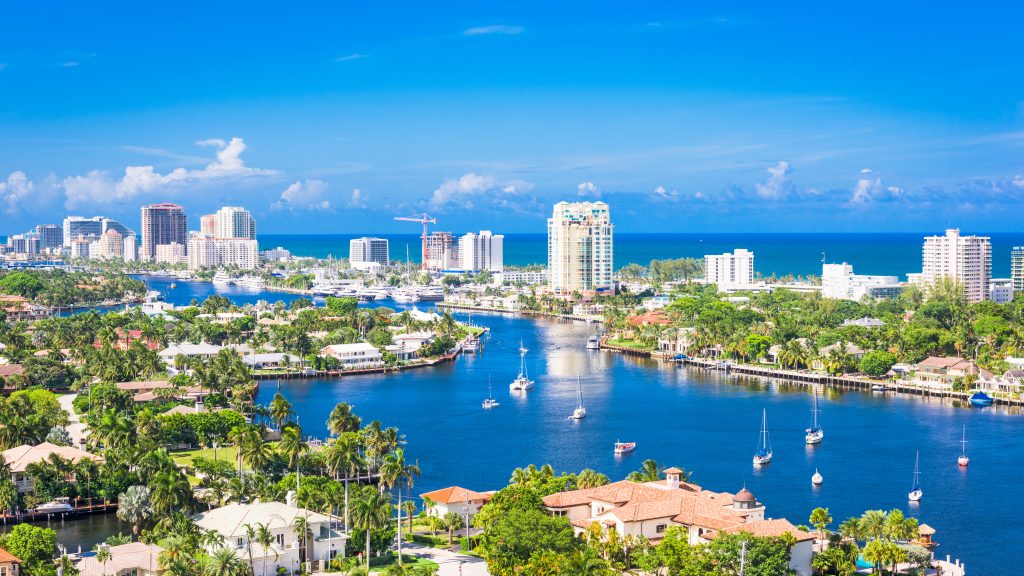
Quick snapshot: The South Florida business market spans Miami-Dade, Broward, and Palm Beach counties, where industries overlap but local operating conditions differ. For any one company, the customer base and the cost of serving it show how location shapes the opportunity. Buyers and sellers can use that picture alongside financial records and a realistic plan for the transition.
Looking at the Business Behind the Location
A business's address tells only part of its story. Its customers might live down the street, spread across several counties, or sit well outside Florida. Knowing which describes a given company is the right place to start when you look at the South Florida business market.
Miami-Dade, Broward, and Palm Beach each offer a distinct commercial setting. A seller preparing to go to market needs to show how that setting supports the company's results. A buyer needs to understand the conditions they'll be working in after closing.
County reports and economic-development activity supply background. The company's own records are what connect that background to the opportunity in front of you.
Miami-Dade: Understanding the International Connection
Miami-Dade County's FY 2025–26 adopted budget lists international commerce among the county's economic strengths and includes airport and seaport facilities among its objectives.
For a company tied to that kind of activity, a sale discussion should pin down how the connection actually works. Which customers depend on international business? How much do normal operations rely on particular suppliers or transportation arrangements? The answers show a prospective owner what supports revenue and what they'd have to keep in place.
A neighborhood business usually has a much more local customer base. Its strongest evidence may be repeat sales from nearby households and a service area the next owner can picture clearly. The explanation that helps is the one that matches the company's real work.
Broward: Following the Customer Footprint
Broward also promotes international trade. The county's Florida International Trade and Cultural Expo is scheduled for November 18–19, 2026, with programming built around trade opportunities and business connections.
Alongside that broader activity, an individual company's market is often defined by the communities it serves. For a Broward business that works across county lines, mapping customer locations can show where revenue comes from and how much ground employees have to cover.
That footprint deserves as much attention as the office address.
A practical review looks at repeat business by area and how much staff time it takes to cover each one. Sellers can use those details to show how the operation fits its market. Buyers can test how the same arrangements would hold up under their own management.
Palm Beach: Looking Closely at Industry Relationships
The Business Development Board of Palm Beach County's FY 2024–25 annual report lists financial services, life sciences, aviation, and logistics among its targeted industries.
Those sectors give useful context for businesses that serve specialized customers. When a company depends on relationships inside a particular industry, the sale discussion should cover how those relationships began and what brings customers back, along with who manages the accounts.
The next owner also needs a clear picture of the knowledge required to deliver the work. Some of it may already rest with experienced employees. Some may depend on the seller and belong in the handover plan.
A company serving local households will focus on a different set of customer needs. Palm Beach County's industry profile is a source of questions, and each business still needs its own explanation.
Connecting Local Demand to Financial Performance
Population growth and local service demand are closely related subjects in Florida's business market. To see how that plays out for one company, look at where its customers come from and how their spending has changed over time.
An owner who credits higher revenue to changes in the surrounding area should be able to show the connection in the business records. Repeat sales, customer locations, and the cost of serving that demand give the conversation substance.
The same approach applies in all three counties. A company with customers across South Florida needs to show how that wider reach contributes to results and what resources it takes to support it.
The Cost of Serving the Market
Commercial real estate costs can affect a business sale, particularly when customers or daily operations depend on a specific location. Reviewing the actual lease, renewal options, and transfer provisions helps both sides understand the premises the business relies on.
Staffing and travel deserve the same attention. Consider where employees work, how customer visits are scheduled, and how delivery or service routes fit into the operating day. Those details show what it costs in practice to maintain the company's reach.
Insurance and business continuity belong in the review as well. Current coverage documents, premium history, and plans for handling an interruption give a prospective owner a clearer view of the operation.
With those records in hand, businesses in different locations become easier to compare, and each one can be judged on its earnings and the work it takes to sustain them.
Putting the Regional Picture to Work
The South Florida business market offers a wide range of settings for ownership. Miami-Dade's international connections, Broward's trade activity, and Palm Beach County's targeted industries each add useful context, and a company's appeal gets easier to judge once that context is tied to its customers, financial results, and daily operation.
Green & Co. works with business owners and buyers across Florida to evaluate those details. If you're considering a sale, a free confidential business valuation can give you a practical starting point. If you're exploring an acquisition, contact our team to talk through the type of business and operating environment that fit your plans.