


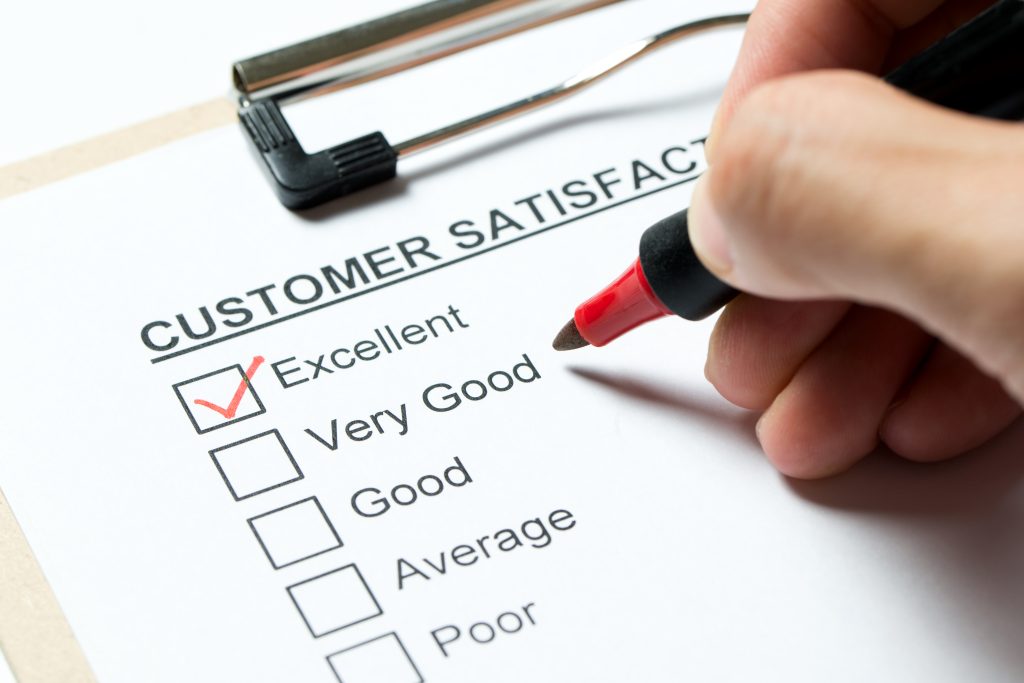
Customer feedback is a goldmine of insights that, when leveraged effectively, can significantly enhance your business operations and customer relationships. While complaints and negative feedback might initially seem like setbacks, they are valuable opportunities for growth. Addressing customer concerns with empathy and professionalism not only improves satisfaction but also fosters loyalty and trust. Here's a comprehensive guide on how to transform customer feedback into a cornerstone of your business strategy.
1. Managing Customer Complaints: An Opportunity in Disguise
Stay Calm and Listen Actively
When customers express frustration, their primary desire is to be heard. Train your team to respond with empathy, professionalism, and patience. Listening without interruption and acknowledging their concerns can diffuse tension and pave the way for constructive dialogue.
Employees must remember that complaints are rarely personal; instead, they reflect issues with products, services, or processes. Maintaining composure helps prevent escalation and demonstrates your company’s commitment to addressing concerns.
Quick Action is Key
Time is of the essence when dealing with customer complaints. A swift response signals that you value their input and are committed to finding a resolution. To achieve this:
- Empower employees to address common issues without managerial approval.
- Equip your team with resources and training to make real-time decisions.
Customers appreciate when their concerns are resolved promptly, often transforming dissatisfaction into loyalty.
2. Proactive Approaches to Customer Feedback
Encourage Open Communication
Creating channels for feedback ensures you stay attuned to customer experiences. Some effective methods include:
- Surveys: Regularly distribute surveys to gauge satisfaction and identify potential pain points.
- Reviews: Encourage customers to leave reviews online.
- Focus Groups: Invite a select group of customers to discuss their experiences in detail.
Spot Patterns and Prevent Issues
Analyzing feedback trends allows you to address recurring issues before they escalate. For instance:
- Frequent Delivery Delays: Adjust logistics or partnerships.
- Common Product Defects: Investigate production and implement quality control measures.
By acting on these insights, you can enhance customer experiences and set your business apart from competitors.
3. Turning Negative Feedback Into Positive PR
Transparency and Accountability Matter
When addressing a complaint publicly—on social media or review sites—maintain transparency and professionalism. Offer a sincere apology and outline steps taken to resolve the issue. For example:
- “We’re sorry to hear about your experience. Our team has identified the issue and implemented changes to ensure it doesn’t happen again. Please contact us directly so we can make this right.”
This approach showcases your dedication to improvement and may even win over skeptical customers.
Celebrate Your Wins
After resolving a challenging situation, share the story (with the customer’s consent). Highlighting your responsiveness and commitment can serve as a powerful testimonial, strengthening your reputation and attracting new customers.
4. Building a Culture of Feedback
Train Your Team to Value Feedback
Ensure that employees understand the importance of customer input in driving business success. Regular workshops on active listening, conflict resolution, and problem-solving can help build a feedback-friendly culture.
Close the Feedback Loop
When customers take the time to share their thoughts, follow up to show how their feedback influenced change. For example:
- “Thanks to your feedback, we’ve introduced a new feature to our product.”
This reinforces the value of their input and encourages continued engagement.
Why Feedback Matters
Incorporating customer feedback into your business strategy offers a dual benefit: it helps you identify and resolve operational issues while strengthening your relationship with your customers. Ultimately, this approach fosters loyalty, boosts your reputation, and drives long-term success.
Conclusion: Transform Feedback Into a Growth Engine
Customer complaints and feedback, when handled effectively, can lead to valuable insights and stronger relationships. Embrace feedback as a tool for continuous improvement, and your business will thrive.